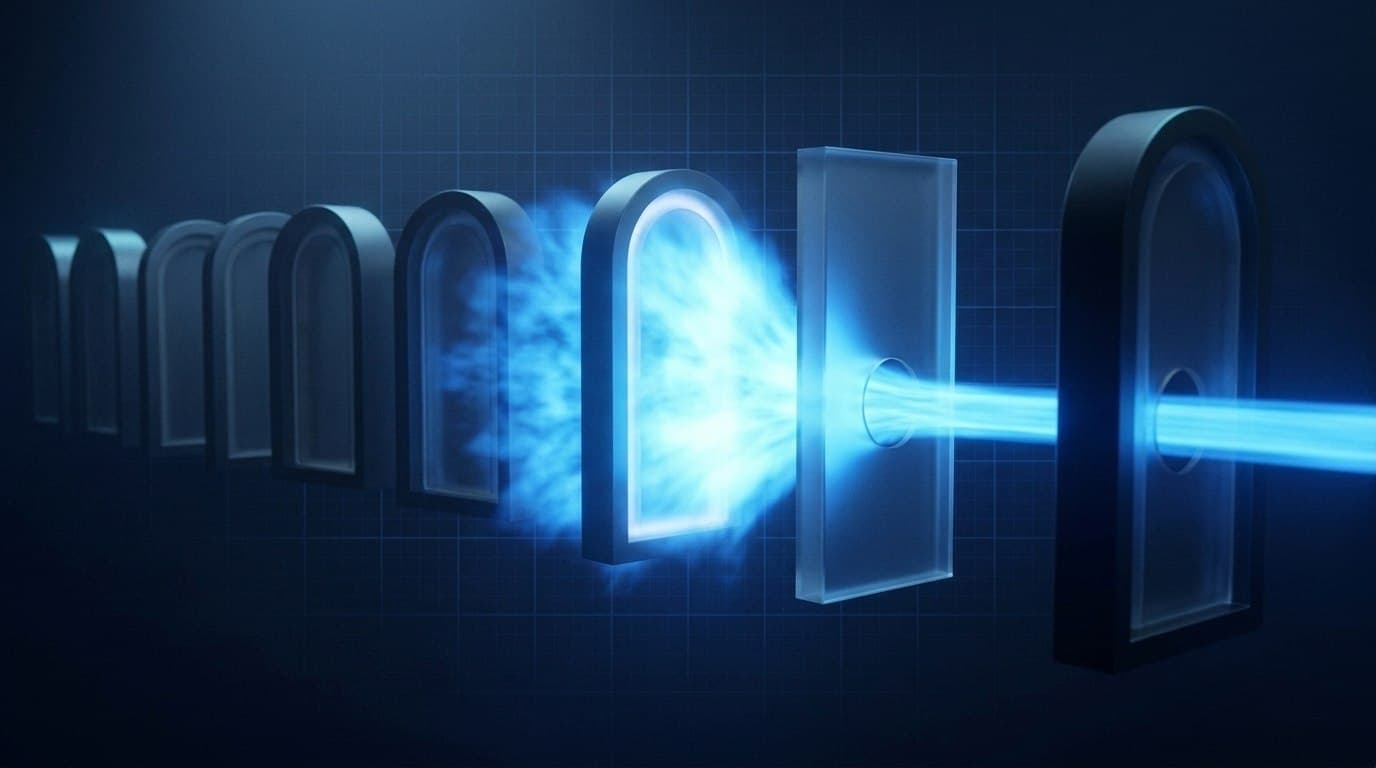
Automation Removes the Work, Not the People
The fear that automating a workflow means replacing the people in it is understandable but usually misplaced. What changes is the shape of their involvement, not whether they are in it.
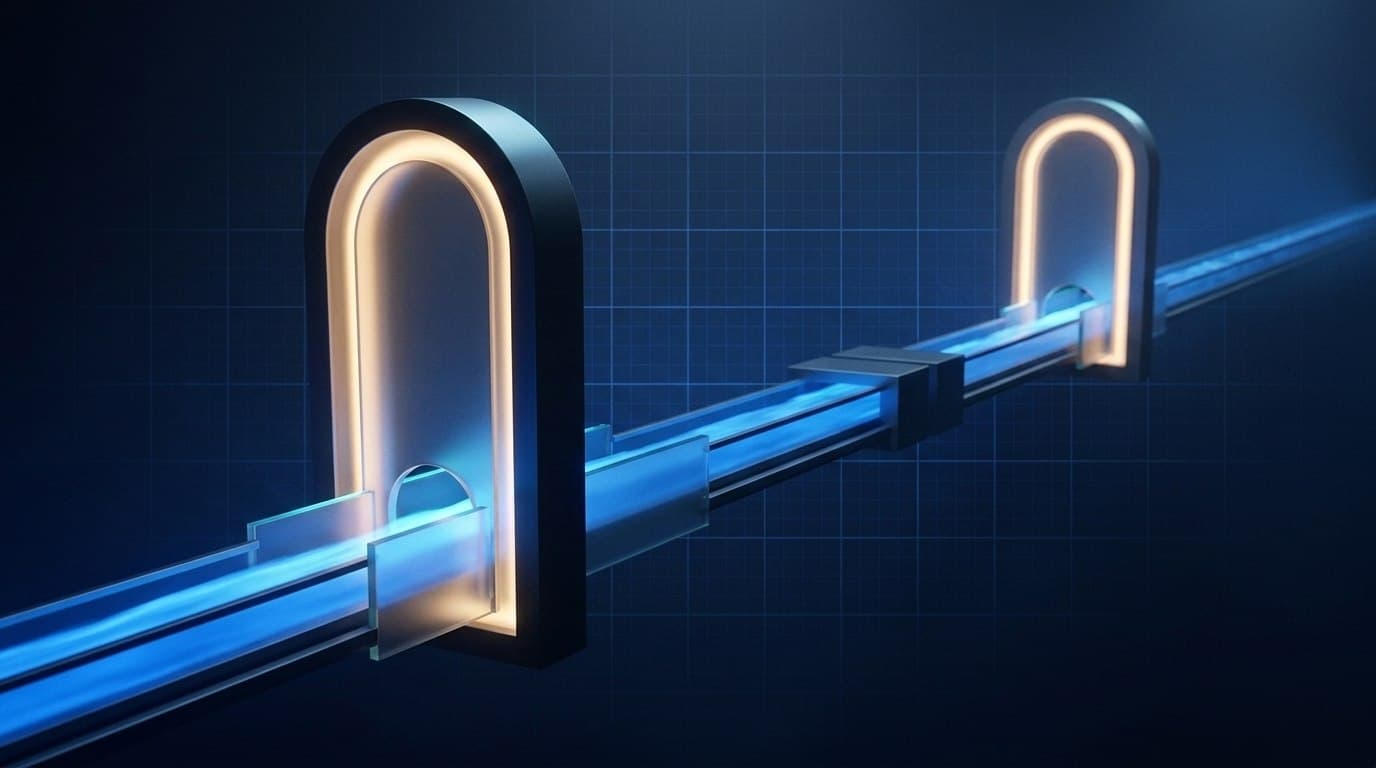
Bring up automating a workflow with the team that runs it today, and the unspoken question in the room is usually “does this mean fewer of us”. It is a fair question to ask directly, and it deserves a direct answer rather than a reassuring dodge.
01. What actually gets automated
Look closely at where the hours go in a typical manual workflow — re-keying the same data, hunting for source documents, assembling routine report structure by hand — and none of it is the part a person was actually trained to do. It is the work around the judgement, not the judgement itself. That is specifically what gets removed from a person’s day when a workflow is rebuilt: the clerking, not the expertise.
02. The part that never gets automated, on principle
A qualified person reviews every draft against its evidence and changes what needs changing, before anything reaches a client. This is not a configuration option that could theoretically be turned off to save time — it is a design rule. The step before it exists specifically because this review step exists to catch what it might have got wrong.
The same applies to approval: the person accountable for the work approves a specific version, or sends it back, and that approval is a recorded act rather than an email that might have been a yes. Assistance is never the final step in the sequence — a person is, every time.
03. What this means for a team’s actual day
Less time spent on the parts of the job that never needed their training: fewer hours re-keying, less time hunting for the right version of a document, less time assembling a report structure that was identical last month. More of their time available for the review and approval decisions that specifically require their judgement — plus, for the parts of the job that were never part of this workflow to begin with, no change at all.
04. Why the fear persists anyway
Some of it is legitimate caution about vendors who have, in other contexts, framed automation as a headcount reduction exercise. Some of it is that “automation” as a general term genuinely does mean job elimination in some industries and some processes. The honest answer for a workflow built the way we build them is that the review and approval gates are structural, not optional — stated identically on the homepage, on What We Build, and on Trust, because a commitment that changes depending on which page you are reading is not really a commitment.
05. What actually changes for the team, concretely
Fewer manual handoffs to track. A visible status instead of an inbox nobody can see into. A draft ready for review instead of assembled from scratch. The review and approval work — the part that was always theirs — stays exactly where it was, and stays with a named, accountable person every time. It is the same distinction as the one between a missing capability and a missing connection: the workflow changes shape, the expertise does not move.
See exactly where AI assists and where human review is a fixed gate in every workflow we build — what we build →